

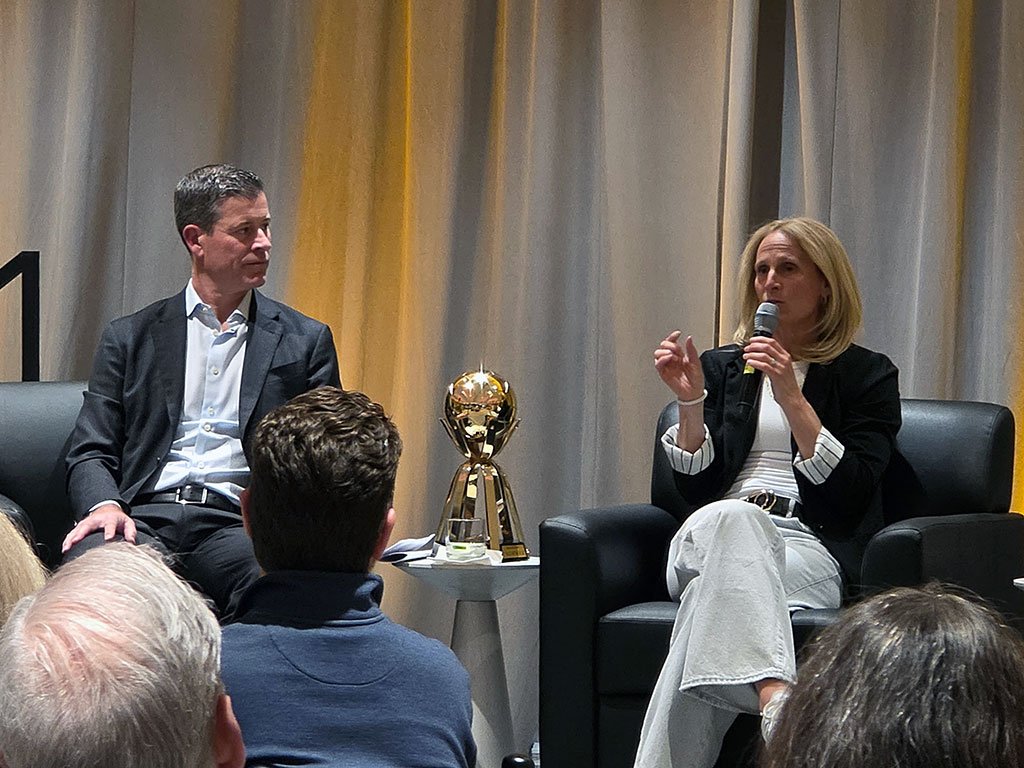
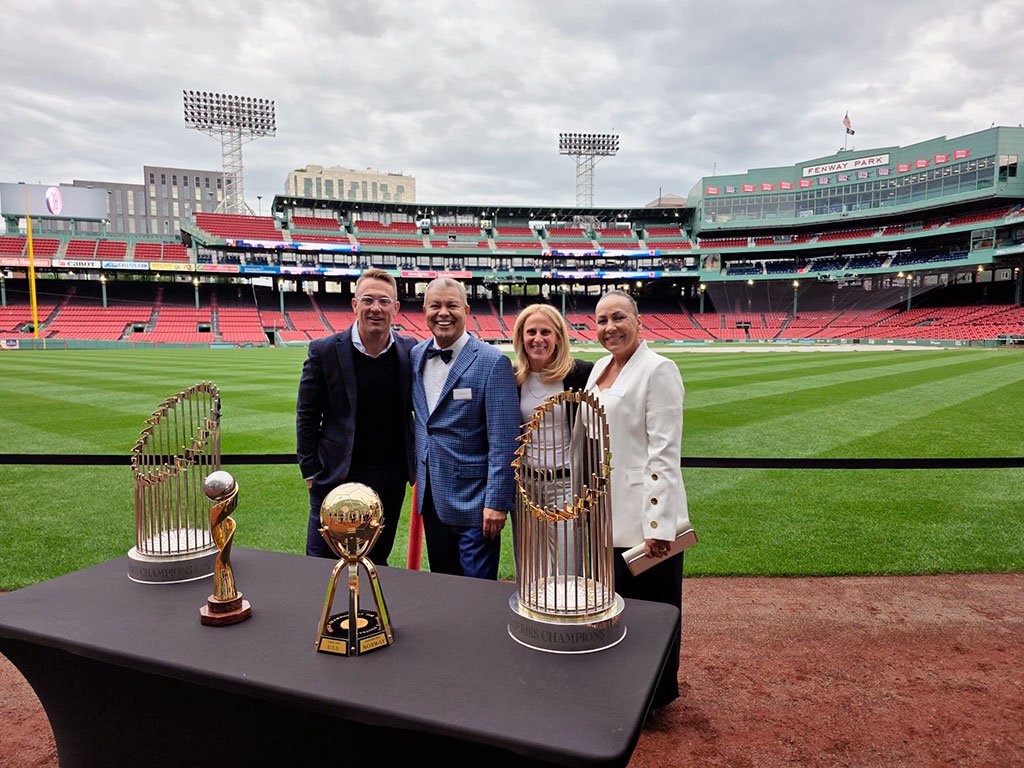
Boston, MA – As anticipation builds for the FIFA World Cup 2026, leaders from business, media, and community sectors gathered at Fenway Park for an exclusive event previewing what is expected to become one of the most significant international events in New England’s modern history.
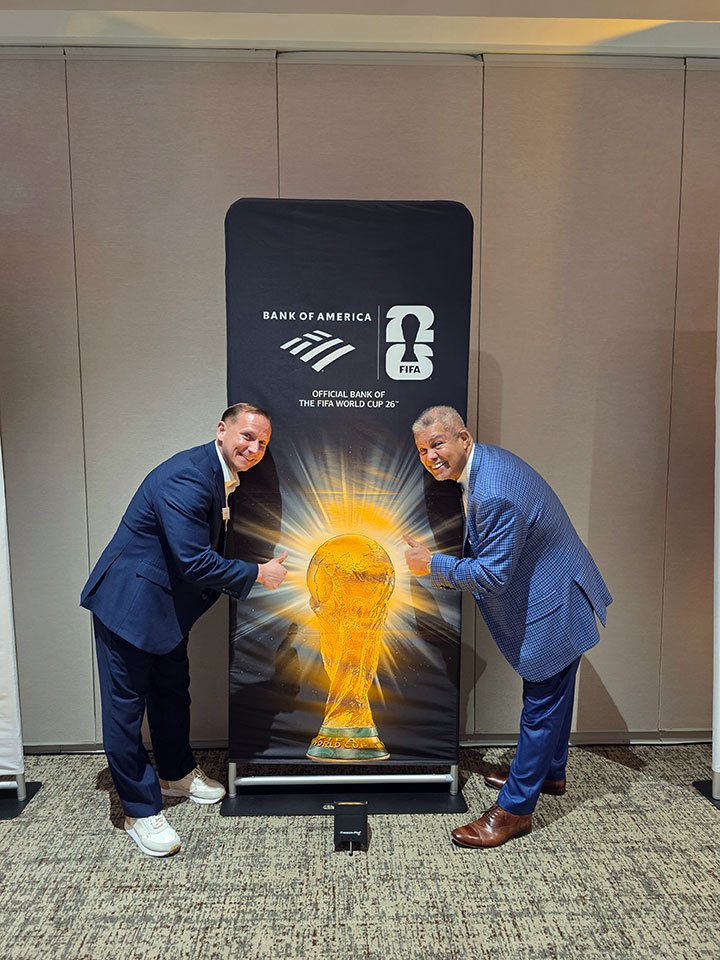
Hosted by Bank of America, an official major partner of the tournament, the event emphasized the extraordinary global reach of the 2026 FIFA World Cup — a competition projected to attract nearly 5 billion cumulative television viewers worldwide while bringing millions of international visitors to the United States.
Boston is expected to play a major role as one of the tournament’s key host cities.
A Historic Opportunity for Massachusetts and New England
Throughout the evening, speakers reinforced that the FIFA World Cup 2026 represents far more than a soccer tournament.
The event is projected to generate nearly $2 billion in economic impact for Massachusetts alone, while creating long-term benefits in tourism, infrastructure, international exposure, and regional development.
Miceal Chamberlain opened the evening by highlighting the global scale of the tournament and the unique opportunity it presents for Boston and the entire New England region.
“This is one of the biggest stages the world has to offer,” Chamberlain said. “Boston and New England will be at the center of a month-long celebration that will showcase our region to billions of people across every continent.”
Economic activity generated by the tournament is expected to impact multiple sectors, including hospitality, transportation, restaurants, retail, tourism, and local business services.
From Logan Airport to downtown Boston, and across communities throughout Massachusetts and New England, the World Cup is expected to create thousands of jobs while significantly increasing visitor activity during the summer of 2026.
Cultural and Community Impact Takes Center Stage
A major focus of the event was the important role New England’s multicultural communities will play in shaping the atmosphere of the tournament.
Former U.S. National Team star and broadcaster Taylor Twellman described the FIFA World Cup 2026 as a defining moment for soccer in the United States, noting that Boston’s selection as a host city reflects the region’s rapidly growing soccer culture and passionate fan base.
Twellman also highlighted the importance of New England’s Brazilian, Portuguese, and Latino communities, recognized among the strongest soccer-supporting populations in the country.
Their passion for the sport is expected to contribute significantly to the energy and cultural identity surrounding the tournament throughout Boston and the region.
Soccer legend Kristine Lilly, one of the most accomplished players in women’s soccer history, also spoke about the lasting legacy the World Cup can leave for future generations.
She emphasized the tournament’s ability to inspire young athletes while promoting inclusion, opportunity, and community engagement through sports.
A Once-in-a-Generation Event
Attendees left the Fenway Park gathering with a clear understanding that the FIFA World Cup 2026 will be one of the largest international events ever hosted in New England.
Hundreds of thousands of international visitors, media organizations, sponsors, and fan activations are expected to converge across the region, placing an unprecedented global spotlight on Boston and Massachusetts.
For local businesses, media organizations, cultural institutions, and especially Portuguese-speaking communities deeply connected to soccer culture, the tournament presents a historic opportunity to showcase their heritage while contributing to New England’s story on a global stage.
As preparations continue toward June and July 2026, one message stood out clearly throughout the evening at Fenway Park:
The FIFA World Cup 2026 is coming to New England — and its economic, cultural, and international impact could shape the region for decades to come.