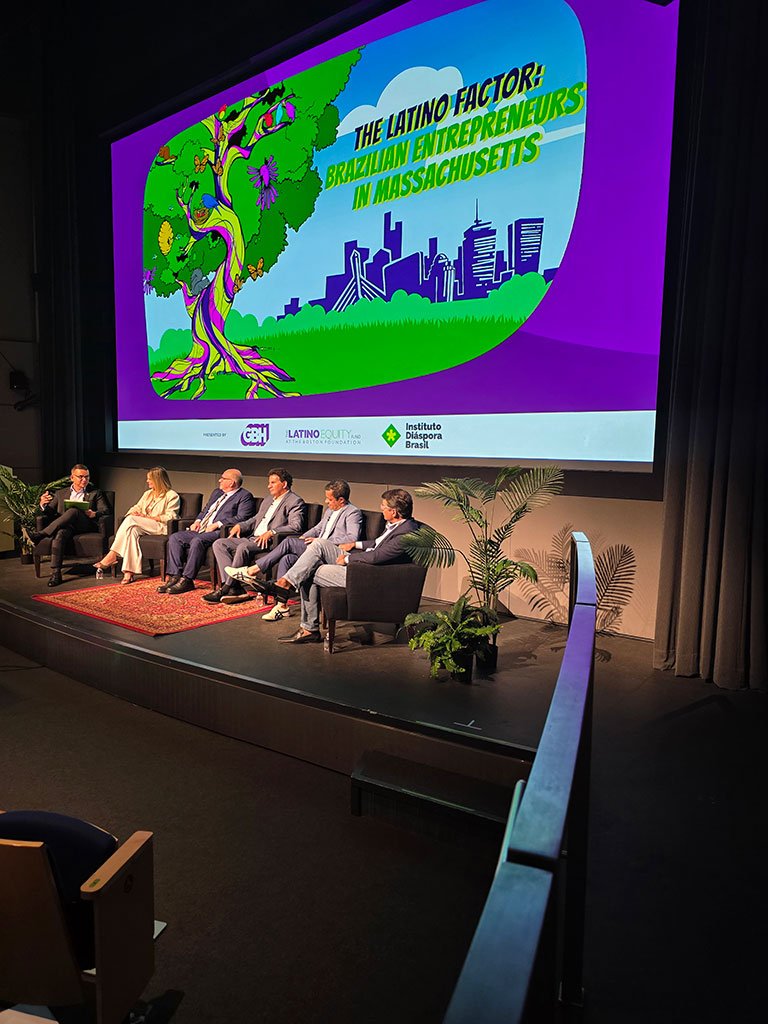



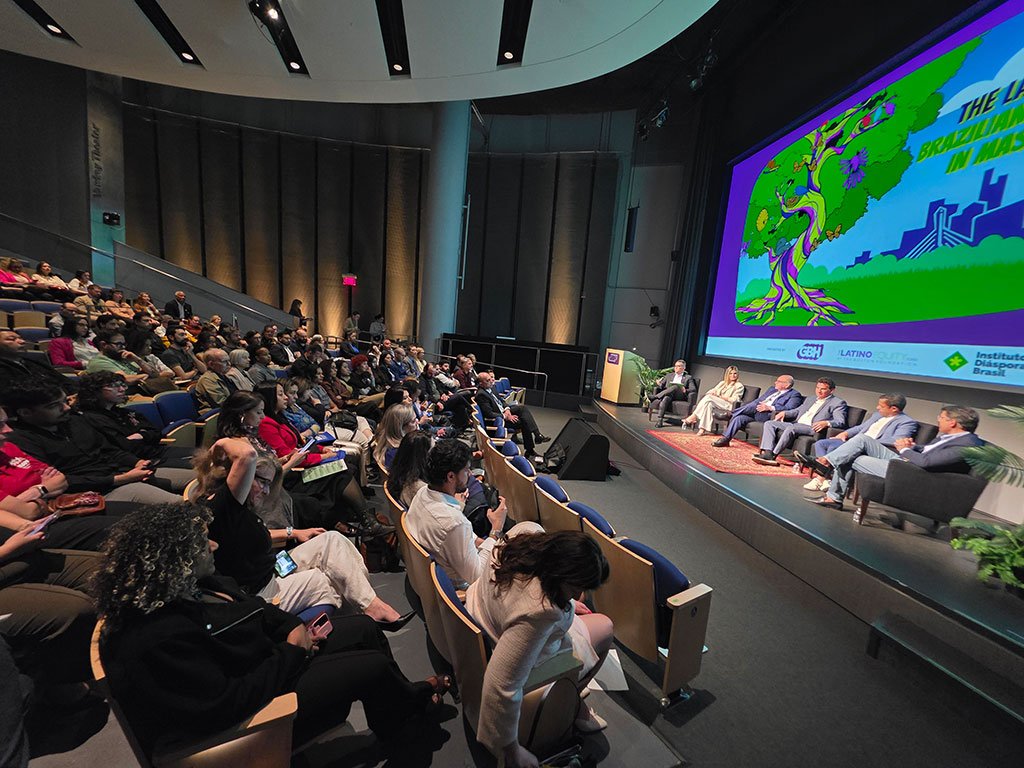
On April 23, 2026, GBH in Allston hosted a powerful and timely conversation titled “The Latino Factor: Brazilians in Massachusetts.” The event brought together influential voices from across industries to highlight the growing impact of the Brazilian diaspora on the economic, cultural, and social fabric of the Commonwealth.
Held at GBH Studios, the evening combined networking and a dynamic panel discussion focused on entrepreneurship, economic mobility, and the evolving identity of Brazilians within the broader Latino narrative in the United States.
A Community Driving Economic Growth
Massachusetts is home to one of the largest Brazilian populations in the United States, with thriving communities across Greater Boston and MetroWest. From construction and real estate to food services, beauty, consulting, and finance, Brazilian entrepreneurs are reshaping local economies and creating pathways to opportunity.
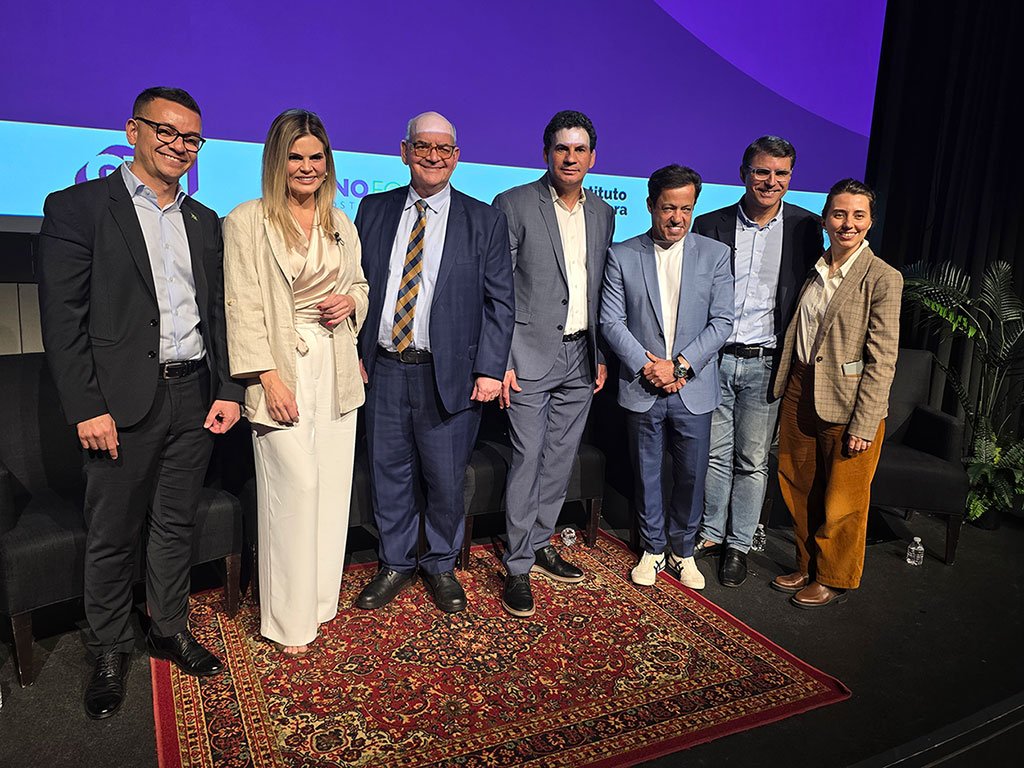
The panel reflected this diversity, featuring leaders such as:
- Nelson de Oliveira (Real Estate & Construction)
- Fernando Castro (Professional Services)
- Renato Valentin (Hospitality & Food Services)
- Flavia Leal (Beauty & Education)
- Manuel Mendes (Global Consulting & Innovation)
These voices collectively illustrated a powerful reality: the Brazilian diaspora is not only present—it is building, investing, and leading.
The Latino Factor: Expanding the Narrative
What made this event particularly significant was its positioning within the broader concept of the “Latino Factor.”
Traditionally, Latino identity in the U.S. has been associated primarily with Spanish-speaking communities. However, the Brazilian presence—Portuguese-speaking, culturally distinct, yet deeply connected to Latin America—is increasingly redefining that narrative.
The discussion emphasized that:
- Brazilians represent a unique and fast-growing segment of the Latino ecosystem
- Language and culture play a critical role in authentic engagement and representation
- Economic contributions from Brazilian entrepreneurs are transformative at the local level
This shift signals a broader evolution: the Latino identity in America is not monolithic—it is multilingual, multicultural, and expanding.
Hosted by Marcony: Bridging Media and Community
The event was hosted by Marcony Almeida, whose leadership brought a strong media and community perspective to the conversation.
Marcony’s role as host underscored a key theme of the evening:
media is a bridge between identity and visibility.
Through platforms like Brazilian and Portuguese-language media, stories of entrepreneurship, resilience, and success are amplified—ensuring that the community is not only seen, but understood.
The Role of Media and Representation
Events like The Latino Factor highlight a crucial gap—and opportunity—in American media:
- The need for language-specific communication
- The importance of culturally relevant storytelling
- The value of direct engagement with diaspora communities
This is where platforms like Portuguese-language broadcasting become essential, serving millions of Brazilians, Portuguese, and Cape Verdeans across the United States.
More Than a Conversation — A Movement
“The Latino Factor” at GBH was not just a panel—it was a statement.
A statement that:
- The Brazilian diaspora is a major economic force
- Representation must reflect the true diversity of the Latino experience
- Massachusetts is becoming a national hub for Brazilian influence
As the United States prepares for global moments like the FIFA World Cup 2026, the importance of engaging Portuguese-speaking audiences will only grow.
Conclusion
The April 23 event at GBH made one thing clear:
The Brazilian community is no longer emerging—it has arrived. And within the broader Latino landscape, its voice, culture, and economic power are becoming impossible to ignore.